
Pain-Free Waxing: Debunking Myths and Understanding the Process
Understanding the Basics of Waxing
Waxing is a popular hair removal method that offers smooth, long-lasting results. Despite its popularity, many myths surround the process, causing unnecessary fear and hesitation. Understanding the basics of waxing can help dispel these myths and prepare you for a more comfortable experience.
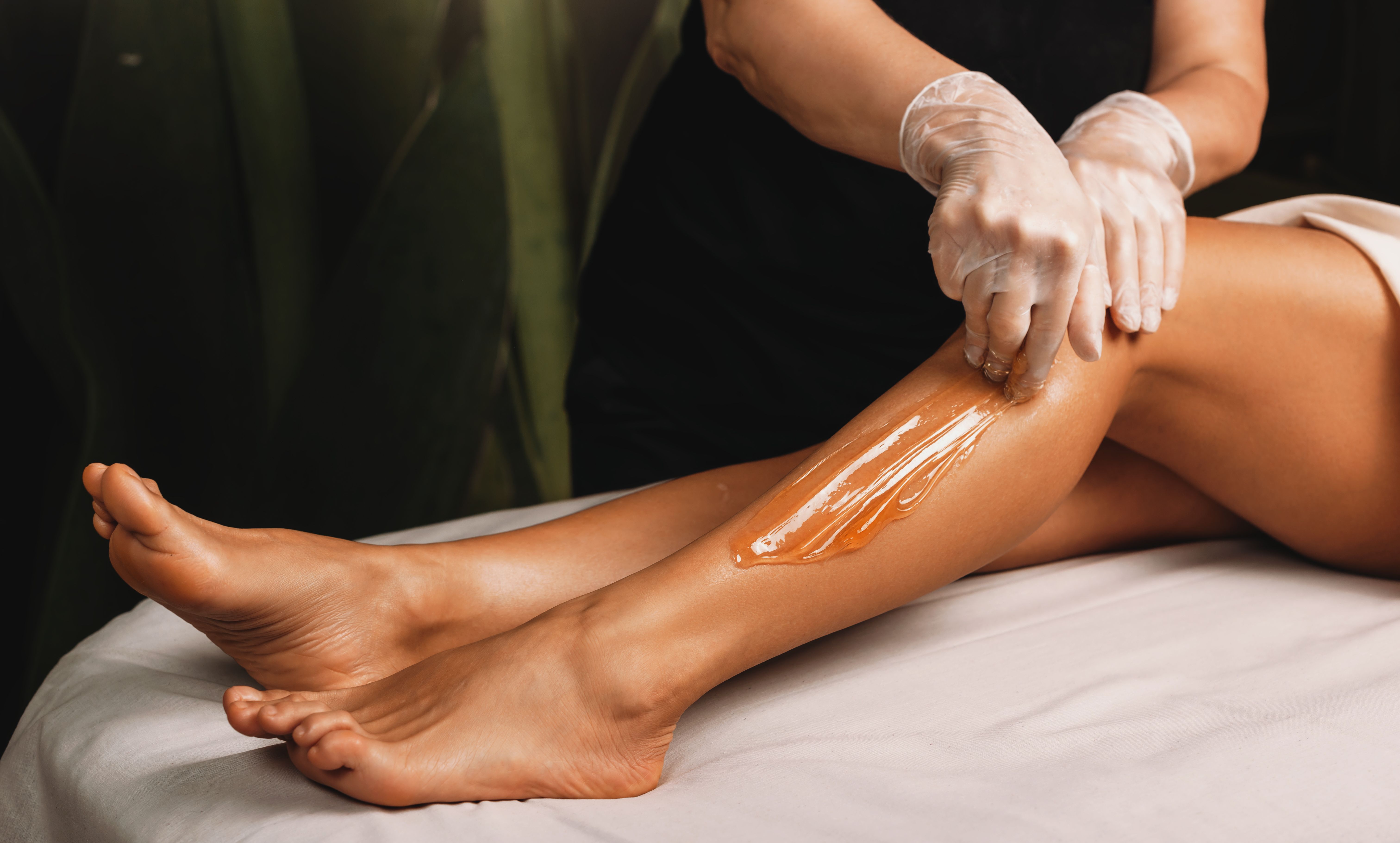
Waxing involves applying a sticky substance to the skin and removing it quickly, pulling hair out from the root. This method can be used on various body parts, including legs, arms, underarms, and the bikini area. The results often last longer than shaving, as it takes time for hair to grow back.
Debunking Common Myths
Myth 1: Waxing is Extremely Painful
One of the most common misconceptions about waxing is that it is unbearably painful. While some discomfort is normal, especially for first-timers, the pain is usually brief and diminishes with regular sessions. Professional estheticians use techniques to minimize pain, such as applying pressure immediately after removing the wax strip.
Over-the-counter numbing creams and taking a mild pain reliever before your appointment can also help reduce discomfort. Remember, everyone's pain tolerance is different, and what may be painful for one person might be a mere pinch for another.
Myth 2: Waxing Causes Skin Damage
Another myth is that waxing can damage the skin. While improper technique can lead to irritation or bruising, professional waxing services are designed to protect your skin. Estheticians are trained to use the right temperature and type of wax for different skin types, ensuring a safe experience.
Preparing for Your Waxing Session
Preparation is key to a successful and less painful waxing experience. Here are some tips to help you get ready:
- Ensure your hair is at least a quarter-inch long for the wax to grip effectively.
- Exfoliate your skin a day before your appointment to remove dead skin cells, which can help prevent ingrown hairs.
- Avoid caffeine and alcohol before your session, as they can make your skin more sensitive.
During the Waxing Process
During your appointment, communication with your esthetician is crucial. Let them know if you have any allergies or skin sensitivities. A skilled professional will tailor the process to suit your needs, ensuring a comfortable experience.
After applying the wax, the esthetician will swiftly remove it, taking the hair with it. This quick action minimizes discomfort and reduces the risk of skin irritation. Aftercare usually involves applying a soothing lotion to calm the skin.
Aftercare Tips for Smooth Skin
Post-waxing care is essential for maintaining smooth skin and avoiding irritation. Here are some aftercare tips:
- Avoid hot showers, saunas, and direct sunlight for at least 24 hours post-waxing.
- Wear loose clothing to prevent friction on the treated area.
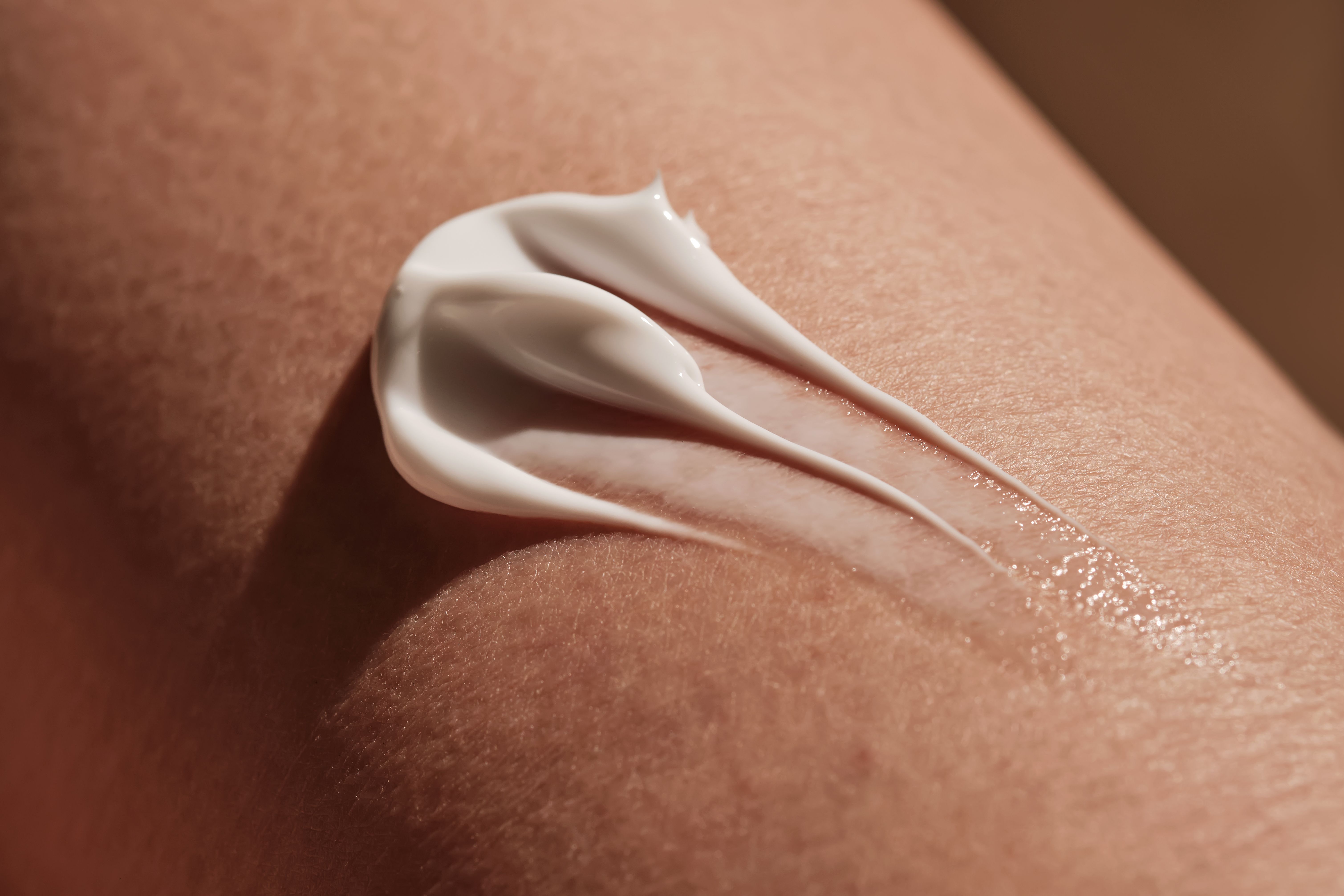
- Moisturize regularly with a gentle, fragrance-free lotion to keep your skin hydrated.
Following these tips can help you enjoy the benefits of waxing without the drawbacks, ensuring your skin stays smooth and healthy.
Conclusion: Embrace the Process
Waxing doesn't have to be a daunting experience. By debunking myths and understanding the process, you can approach your waxing sessions with confidence. Remember, the key is to choose a reputable salon and communicate openly with your esthetician.
With proper preparation and aftercare, waxing can become a part of your beauty routine that leaves you feeling pampered and confident. Say goodbye to the myths and hello to smooth, radiant skin!