
How to Choose Between Honey Waxing and Traditional Waxing Methods
Understanding Honey Waxing
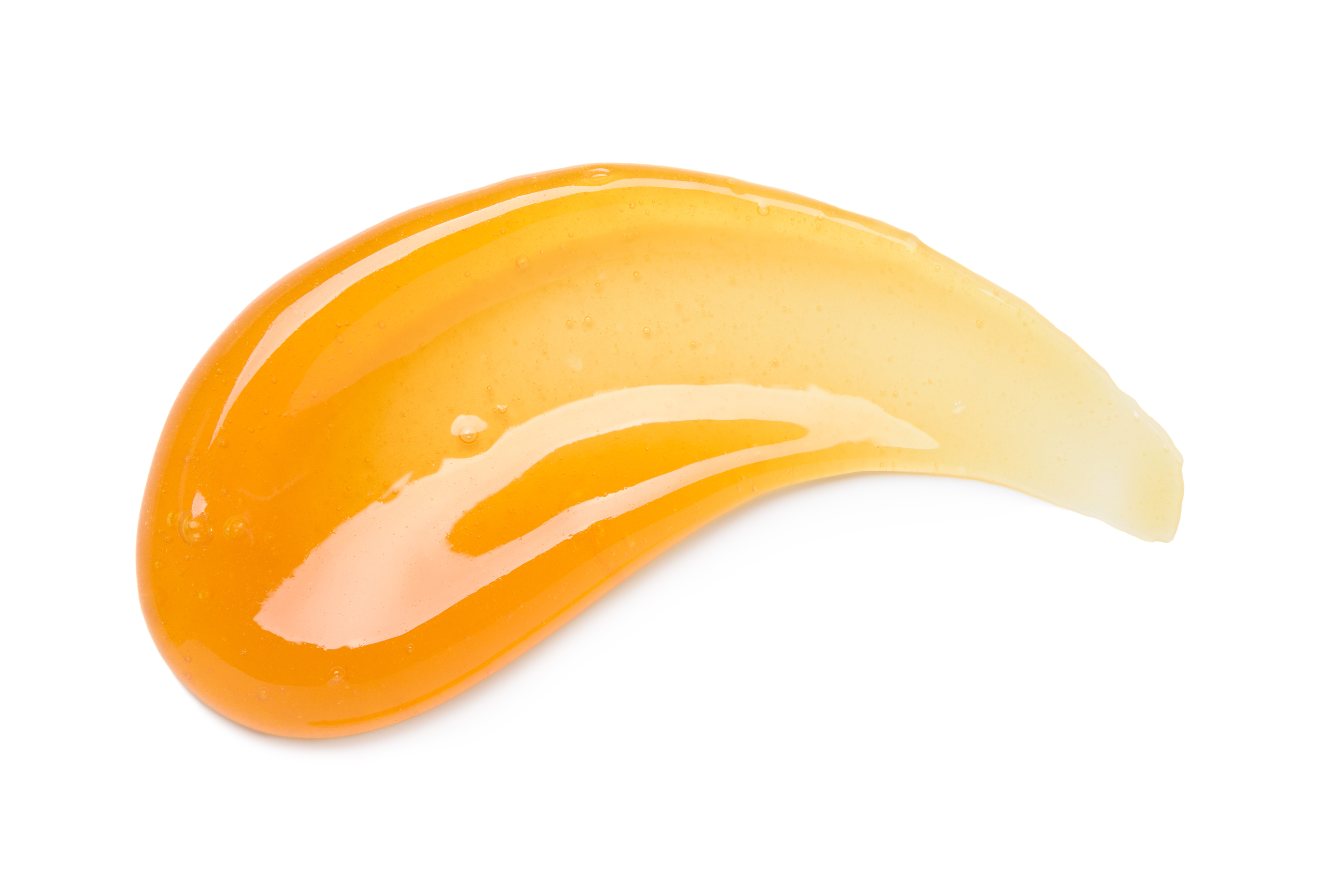
When it comes to hair removal, one option gaining popularity is honey waxing. This method uses a mixture of honey, sugar, and lemon juice to create a natural waxing solution. Honey waxing is often preferred by those seeking a more organic approach to hair removal. The natural ingredients are gentle on the skin, making it ideal for sensitive areas.
Honey waxing is praised for its nourishing properties. Honey is known to have antimicrobial and soothing characteristics, which can help reduce irritation post-waxing. Additionally, the sugar acts as an exfoliant, leaving your skin feeling smooth and rejuvenated.
Traditional Waxing Methods Explained
Traditional waxing typically involves the use of wax made from resin, beeswax, and other synthetic ingredients. This wax can be either soft or hard, with each type having its own application technique. Soft wax is applied thinly and removed with a cloth strip, while hard wax is applied thicker and removed without a strip.
One advantage of traditional waxing is its efficacy in removing even the most stubborn hair. It grips the hair tightly, ensuring a clean removal. However, some users may find this method more painful than honey waxing, especially if the skin is sensitive or if the procedure is not performed correctly.

Comparing Benefits and Drawbacks
When choosing between honey waxing and traditional waxing methods, it's essential to consider the benefits and drawbacks of each. Here is a quick comparison:
- Honey Waxing: Natural ingredients, gentle on skin, nourishing, less painful.
- Traditional Waxing: Effective on stubborn hair, widely available, longer-lasting results.
While honey waxing is great for those with sensitive skin, it may not be as effective on coarse hair compared to traditional methods. On the other hand, traditional waxing promises thorough hair removal but might lead to more irritation.
Choosing the Right Method for You
Your choice between honey waxing and traditional waxing should depend on your skin type, pain tolerance, and personal preferences. For those with sensitive skin, honey waxing may be the ideal choice due to its gentle nature. If you're looking for a method that provides long-lasting results, traditional waxing might be more suitable.
Consider also the areas you wish to wax. For facial or bikini areas, where the skin is more delicate, honey waxing might be preferable. Conversely, traditional waxing could be better for larger areas like legs or arms, where you may need a more robust solution.
Consulting with a Professional
Before making a decision, it's a good idea to consult with a professional esthetician. They can assess your skin type and hair texture and recommend the best waxing method for your needs. A professional will also ensure that the waxing is carried out safely and effectively, minimizing the risk of irritation or injury.

Conclusion
Both honey waxing and traditional waxing have their unique advantages. Your decision should be based on personal comfort, the specific needs of your skin, and the areas you wish to treat. By understanding the differences and consulting with a professional, you can achieve the best results and maintain smooth, healthy skin.