
How Honey Waxing Compares to Traditional Waxing Methods
Understanding Honey Waxing
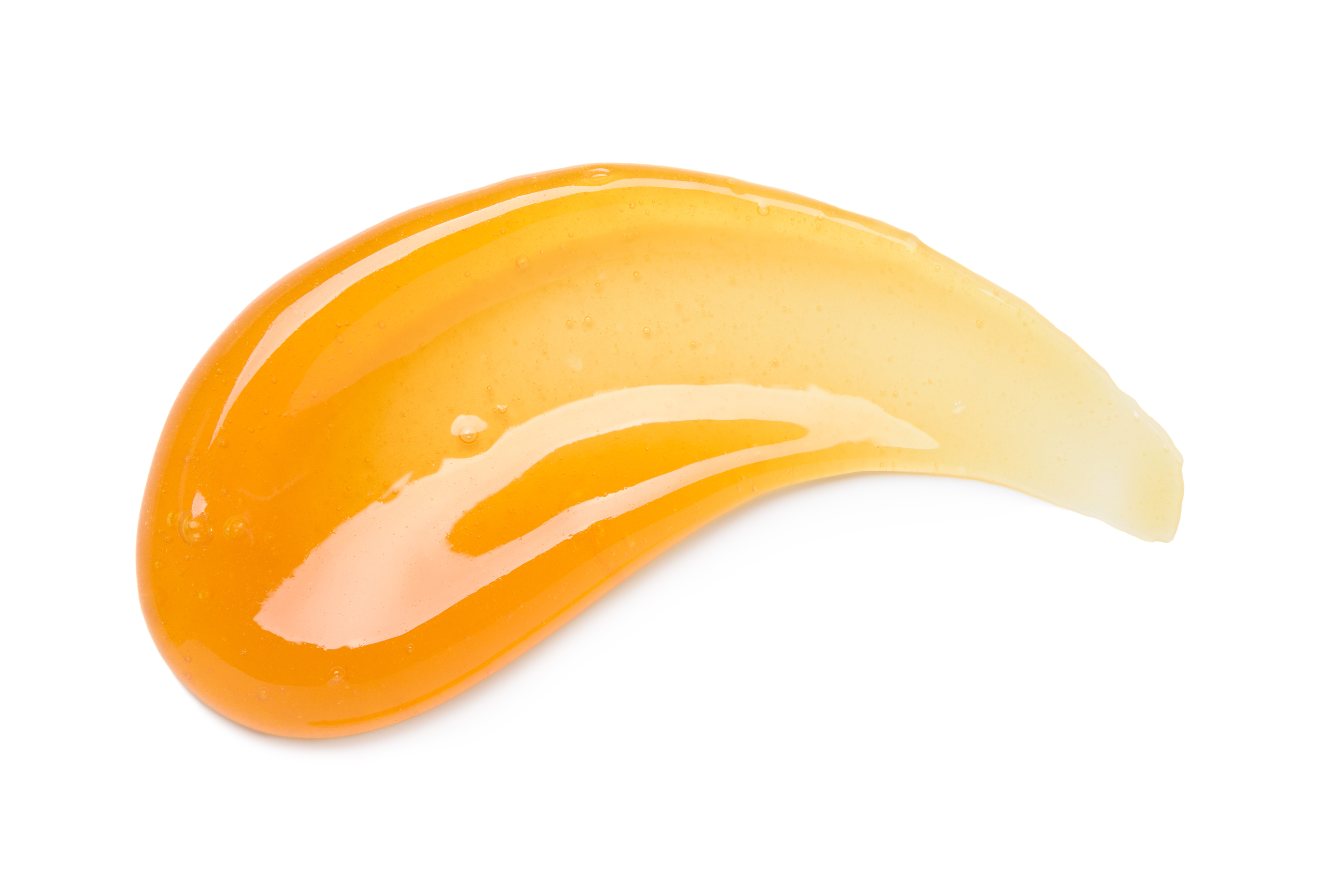
Honey waxing is a natural alternative to traditional waxing methods, often favored for its gentle approach to hair removal. Derived from a mixture of honey, sugar, and lemon, this method is not only effective but also kinder to the skin. Unlike synthetic waxes, honey waxing utilizes ingredients that are frequently found in your kitchen pantry, making it a popular choice for those looking for a more organic option.
Benefits of Honey Waxing
One of the primary benefits of honey waxing is its ability to exfoliate the skin while removing hair. The natural ingredients help in sloughing off dead skin cells, leaving the skin feeling smooth and rejuvenated. Additionally, honey waxing is less likely to cause skin irritation or allergic reactions, which is a common concern with traditional waxes that may contain harsh chemicals.
Moreover, honey waxing is known for its moisturizing properties. Honey acts as a natural humectant, which means it helps retain moisture in the skin, leaving it soft and hydrated after each session. This is particularly beneficial for those with sensitive or dry skin types.
Traditional Waxing Methods
Traditional waxing methods generally involve the use of synthetic waxes that may incorporate resins and other chemical additives. These waxes are effective in removing hair but can sometimes lead to skin irritation, especially for those with sensitive skin. The application involves spreading the wax onto the skin and removing it with strips, which can be painful and may cause redness.

Comparing Pain Levels
When it comes to pain levels, many users report that honey waxing is less painful compared to traditional waxing methods. The natural ingredients adhere to the hair rather than the skin, which can reduce the discomfort associated with hair removal. This makes honey waxing a preferable choice for those with a low pain threshold.
On the contrary, traditional waxing can sometimes pull on the skin, leading to a more painful experience. This is particularly true for those new to waxing or with coarser hair types.
Cost and Accessibility
In terms of cost, honey waxing can be more economical, especially if you choose to make your waxing mixture at home. The ingredients required are inexpensive and readily available, allowing for a cost-effective hair removal solution. This accessibility makes honey waxing an attractive option for those on a budget.

Traditional waxing, while widely available in salons, can become expensive over time, particularly with frequent visits. The cost of synthetic waxes and professional services can add up, making it a less affordable option for regular hair removal.
Environmental Impact
Another advantage of honey waxing is its minimal environmental impact. The ingredients are natural and biodegradable, reducing the ecological footprint of your beauty routine. In contrast, traditional waxing methods may involve products that contribute to waste and may not be as environmentally friendly.
For environmentally-conscious individuals, honey waxing represents a sustainable choice that aligns with eco-friendly values.
Conclusion
In summary, honey waxing offers a natural, cost-effective, and less painful alternative to traditional waxing methods. Its gentle formula and environmental benefits make it an appealing option for many. While traditional waxing remains a popular choice for its efficiency, those seeking a more organic approach might find honey waxing to be the ideal solution for their hair removal needs.