
Hard vs. Soft Wax: Understanding the Differences for Optimal Results
Introduction to Waxing
Waxing is a popular hair removal method that has been used for decades. Whether you're a seasoned waxing veteran or new to the process, understanding the differences between hard and soft wax is essential for achieving the best results. Each type of wax has its own unique properties and benefits, making them suitable for different skin types and areas of the body.
In this blog post, we'll explore the key differences between hard and soft wax, helping you make an informed choice for your next waxing session.

What is Hard Wax?
Hard wax is a type of wax that is applied directly to the skin without the need for cloth strips. It hardens upon cooling, allowing it to be easily peeled off by hand. Hard wax is particularly effective for coarse hair and is often used for sensitive areas like the bikini line, underarms, and face.
Benefits of Hard Wax
- Less Painful: Hard wax adheres only to the hair, not the skin, reducing discomfort during removal.
- Effective for Short Hair: It can grip shorter hair more effectively, providing a cleaner result.
- Great for Sensitive Areas: Ideal for areas with delicate skin, minimizing irritation.
What is Soft Wax?
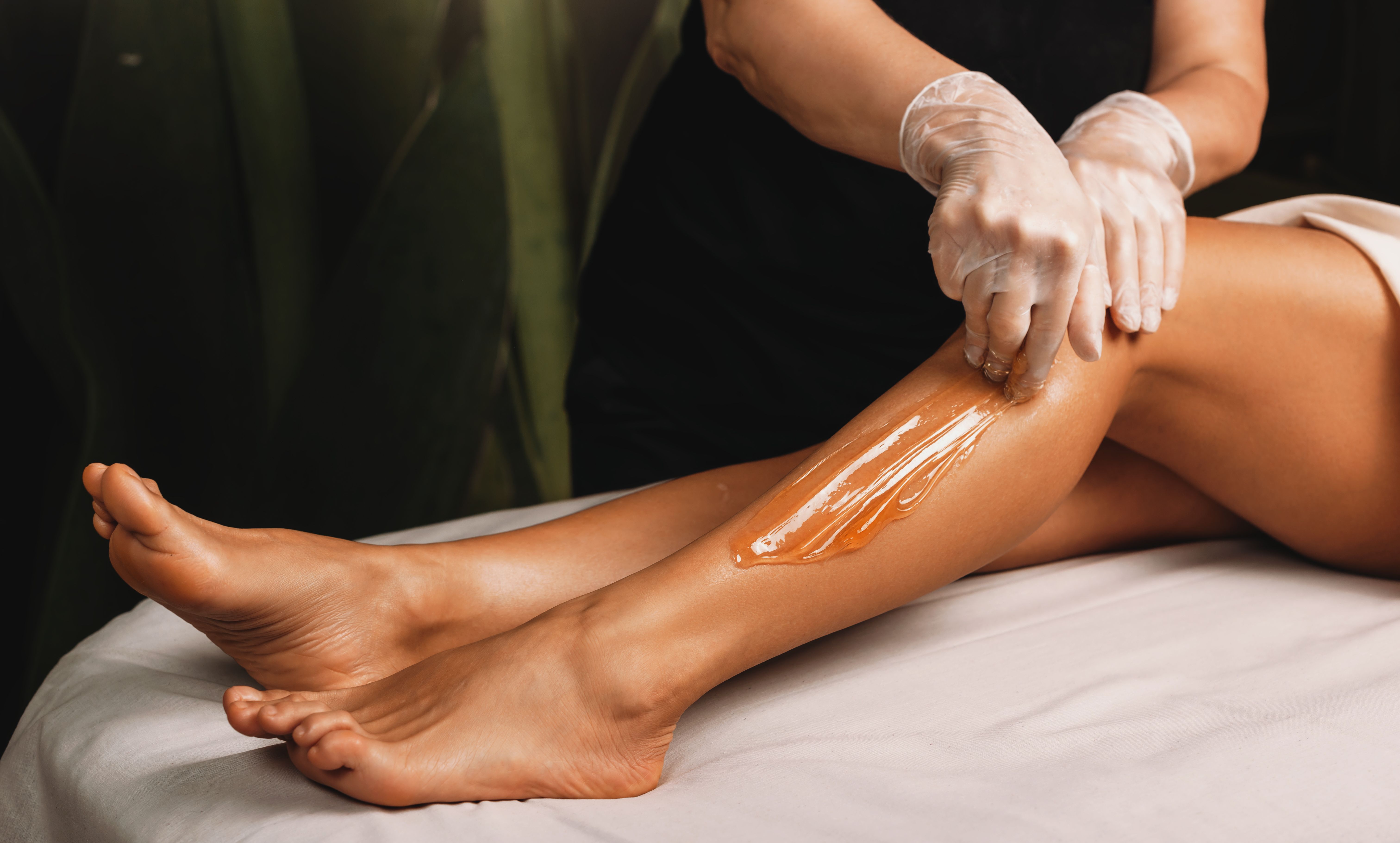
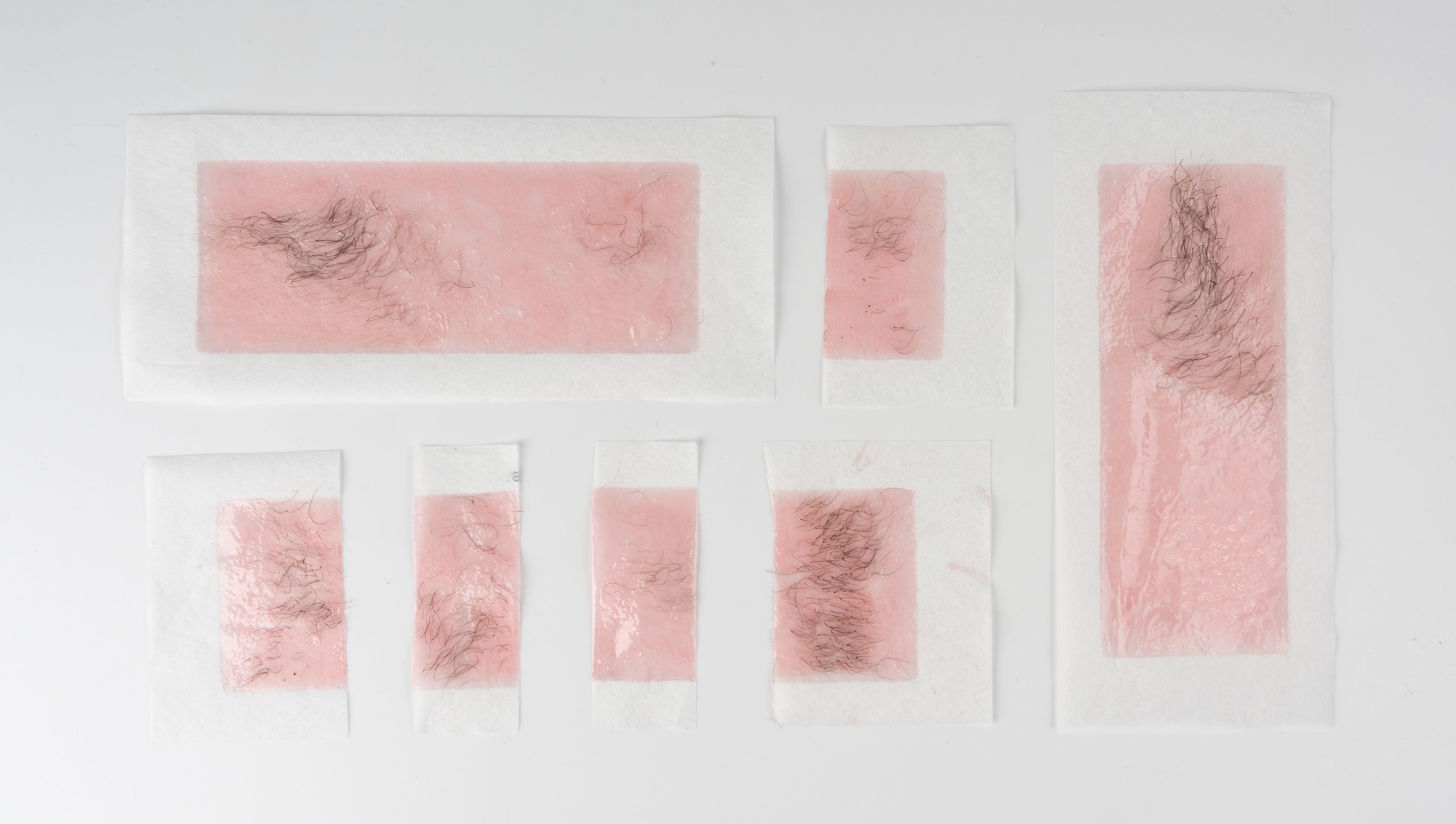
Soft wax, also known as strip wax, is applied in a thin layer over the skin and removed using cloth or paper strips. It's commonly used for larger areas of the body, such as the legs, arms, and back. Soft wax is known for its ability to cover large areas quickly, making it a go-to choice for many professionals.
Benefits of Soft Wax
- Efficient for Large Areas: Soft wax can be applied swiftly over large surfaces, speeding up the waxing process.
- Exfoliates Skin: The removal process also exfoliates dead skin cells, leaving the skin smooth.
- Cost-Effective: Generally less expensive than hard wax, making it a budget-friendly option.
Choosing the Right Wax for You
Deciding between hard and soft wax depends on several factors, including your skin sensitivity, hair type, and the area being treated. Hard wax is often preferred for sensitive skin and smaller, more delicate areas, while soft wax is ideal for quickly treating larger areas.
If you're unsure which type of wax to choose, consider consulting with a professional esthetician. They can provide personalized advice based on your unique needs and preferences.
Conclusion
Understanding the differences between hard and soft wax can significantly impact your waxing experience. By selecting the right type of wax for your specific needs, you can achieve optimal results with minimal discomfort. Whether you opt for the precision of hard wax or the efficiency of soft wax, both offer effective solutions for smooth, hair-free skin.
Remember to follow proper aftercare procedures to maintain your results and keep your skin healthy and vibrant. Happy waxing!